Ask a district technology director what frustrates them most about edtech vendors and the answer is rarely the product. It is the renewal quote: the reading platform that cost $18,000 in year one comes back at $31,000 in year two. The jump is not usually an accounting error. It is the predictable output of a pricing model built around initial discounts, per-seat drift, and the fact that removing embedded software from a school year is genuinely hard.
Where does the price increase actually come from?
Several distinct mechanisms stack, and separating them matters because each has a different defense.
| Mechanism | How it works | Typical size |
|---|---|---|
| Introductory discount expiring | Year-one price subsidized to win the deal; list price returns at renewal | 20–50% jump |
| Per-seat or per-enrollment growth | License priced per student; enrollment or roster attachment rises | 3–8% a year |
| Built-in escalators | Multi-year contract includes automatic annual increases | 3–5% a year |
| Tier or feature repricing | Vendor moved the feature you use into a higher tier | Varies |
| Post-acquisition repricing | Company acquired; new owner resets prices upward | Varies |
The introductory discount is the largest single factor. Vendors offer deep first-year pricing because districts pilot easily but switch rarely — winning the seat is worth subsidizing. The renewal quote then reflects what the vendor believes switching would cost the district: retraining staff, rebuilding courses, migrating data, and writing a new RFP. That belief is usually well founded.
Why can't districts just walk away?
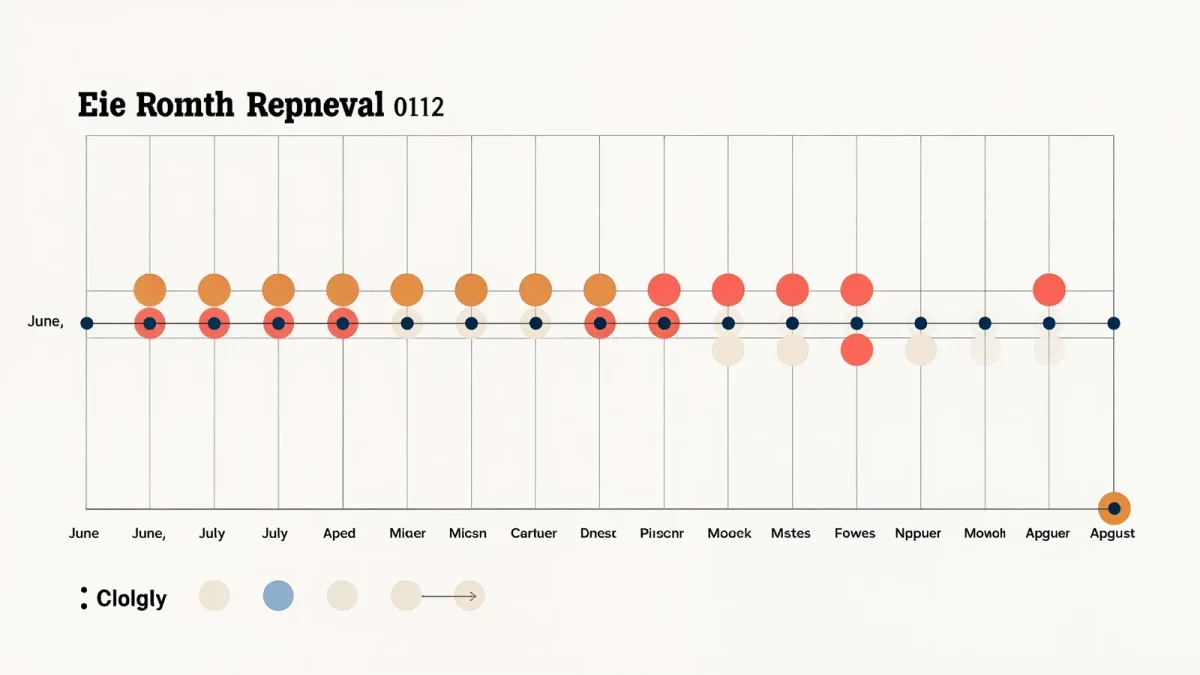
Switching costs in education software are unusually high. A learning platform holds teacher courses, student rosters, historical data, and parent accounts. Mid-year switching is close to impossible, so the effective exit window is one narrow slice of summer. Vendors know the calendar as well as the district does, which is why renewal quotes timed to arrive in late spring leave little room to run a replacement procurement before August.
There is also an approvals asymmetry. Declining a renewal requires no decision at all in most districts — the subscription simply lapses — but replacing it requires the full procurement sequence. The status quo is structurally advantaged.
What contract terms protect a district?
The protection happens at signature, not at renewal. Terms worth insisting on include a cap on annual increases, commonly negotiated to a fixed percentage or CPI-linked ceiling; renewal pricing disclosed in the original contract rather than left to a future quote; a guaranteed data-export window with a documented format before termination; and perpetual-license or one-time-payment options for products the district expects to use long-term. Districts that ask for escalation caps before the first purchase get them far more often than those that ask at renewal, when leverage has already shifted.
Does consolidation make it worse?
Yes, in a specific way. When the challenger that was holding prices down is acquired — a recurring pattern across curriculum and platform markets — the competitive reference point disappears. The vendor on the other side of the renewal no longer has to match a cheaper alternative, because it bought the cheaper alternative. Multi-vendor strategies look inefficient on paper and are partly an insurance policy against exactly this.
How do seat counts quietly raise the bill?
Per-seat pricing drifts upward through mechanisms nobody approves individually. Enrollment in the licensed grades rises. Rosters stay attached to students who transferred out, because no one removes them. A vendor counts by account created rather than by active user, and accounts are created liberally during onboarding. Individually each is small; together they can move an invoice more than the headline escalator. The defense is an annual roster audit before paying: reconcile licensed seats against actual enrollment and active use, and expect vendors to negotiate when shown the gap, because automatic shrinkage rarely corrects itself.
A second quiet driver is the feature migration. The quiz tool the English department uses gets folded into a premium tier; the free analytics dashboard becomes an add-on with its own line item. These changes are announced in release notes, not invoices, and districts that discover them at renewal have already built instruction around the moved features. Reading product change notices — or assigning someone to — is unglamorous procurement work that pays for itself.
A closing note on leverage
The common thread through every mechanism above is information asymmetry: the vendor knows the district's usage data, seat counts, and switching calendar, and the district often knows only the invoice. Closing that gap — reading the contract before the renewal quarter, auditing seats annually, benchmarking price against comparable districts — is unglamorous work with a measurable return. Where a district cannot fund the staff time, cooperative purchasing and state negotiation services exist precisely to aggregate the leverage individual districts lack.
What should be on the renewal checklist?
Practical steps that districts report paying for themselves: calendar renewals so quotes arrive at least 120 days before the fiscal-year deadline, leaving time to bid; require the renewal at list-price terms be justified against at least one documented alternative; audit seat counts against actual enrollment before paying per-seat invoices; and keep a running inventory of what each tool costs, what it duplicates, and what an exit would require. None of this makes edtech cheap. It makes the increase a negotiation instead of a surprise — and it tells the vendor, before the quote is written, that the district is prepared to be expensive to keep. Where internal capacity is thin, cooperative purchasing and state negotiation services exist to aggregate leverage that individual districts lack.