Technology
What teachers say makes classroom technology work
Gallup and Walton Family Foundation data points to one lever: oversight of student device activity.
By Michael Hayes • September 18, 2026
Technology examines the hardware and software installed in schools: devices, displays, management systems, learning platforms and AI assistants. Each is assessed on reliability, setup burden, data handling and annual cost per student. For teachers, technology coordinators and procurement staff choosing between products making similar promises.
Gallup and Walton Family Foundation data points to one lever: oversight of student device activity.
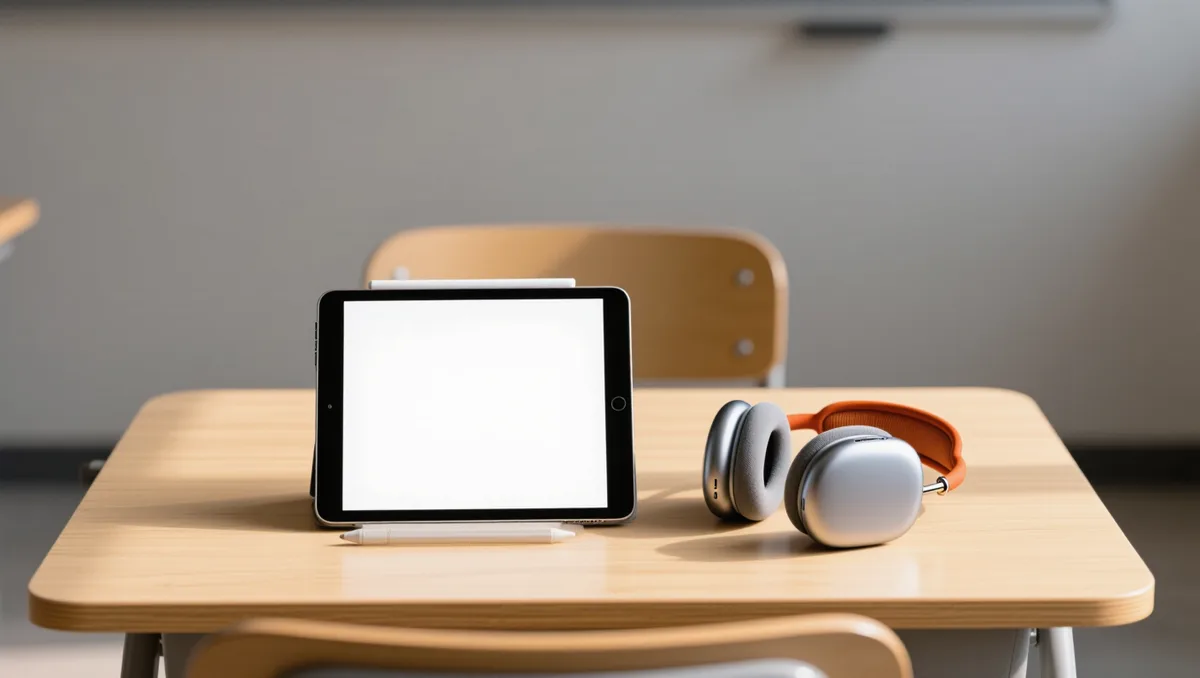
What pressure, latency and palm rejection actually do to a student's handwriting — and which platforms handle them.

Two clocks run on every school Chromebook. Only one of them decides when the device is actually done.
Turnitin's own documentation calls its report inconclusive, and independent research finds detectors misfire most against non-native English writers and Black students.
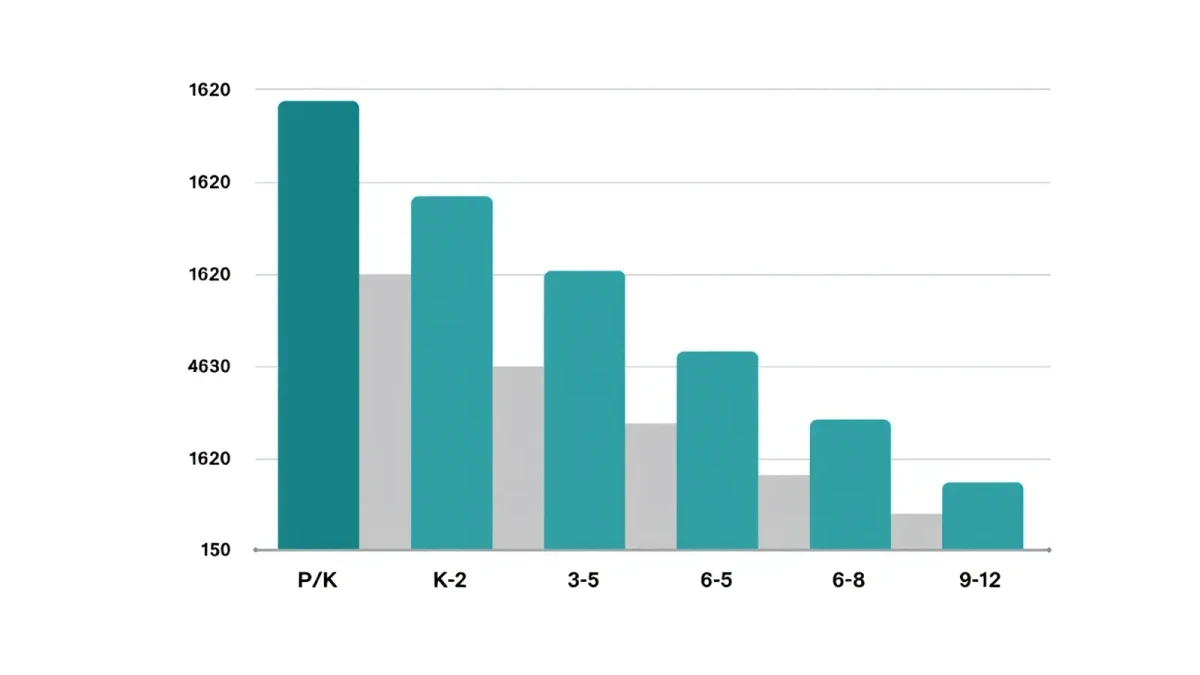
Sound-field amplification has some of the best evidence in classroom technology, but only for the youngest students and only when installed well.
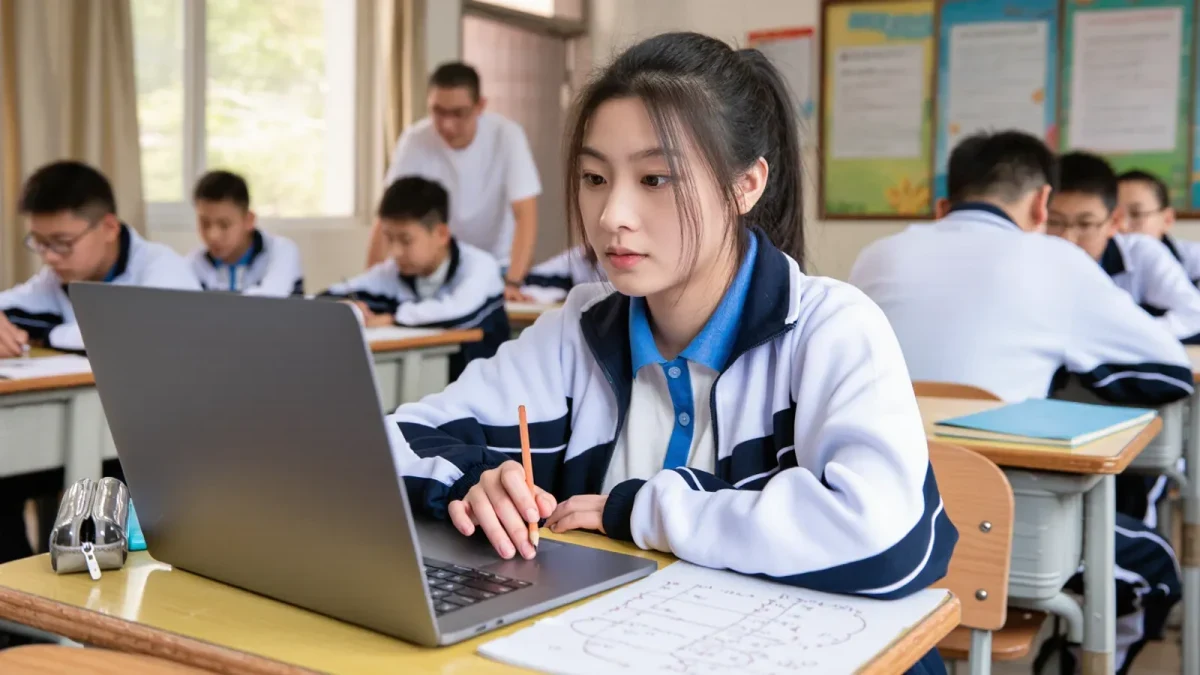
Adaptive math software produces small positive effects on average, with the best results tied to usage time and teacher integration, not to the algorithm.
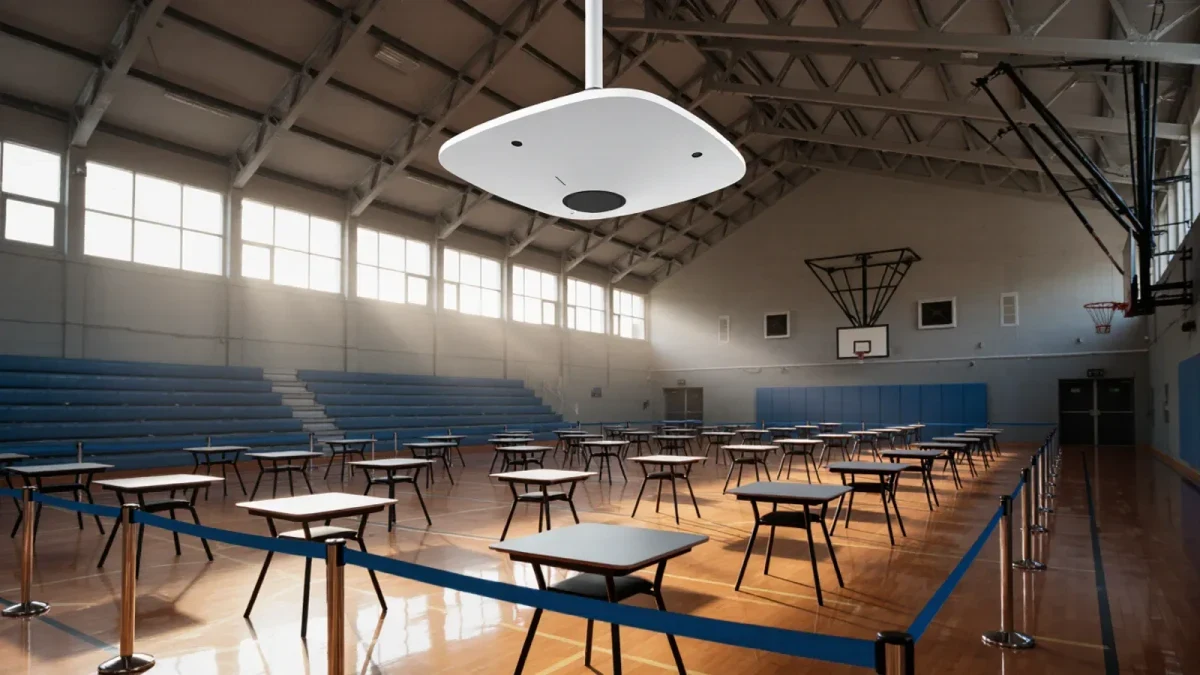
Digital testing fails on three preventable things: access point density, power negotiation, and proctor devices on the wrong network.
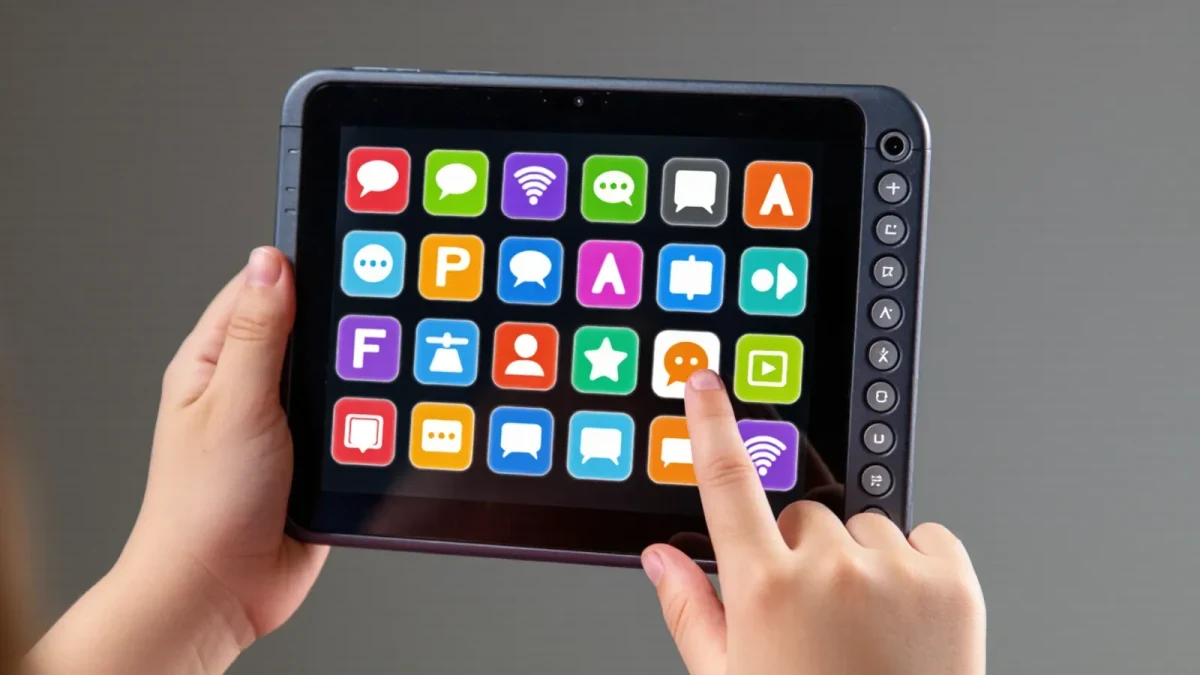
The assistive technology that lasts is built into operating systems, funded by entitlement, and specified in the IEP — in that order.
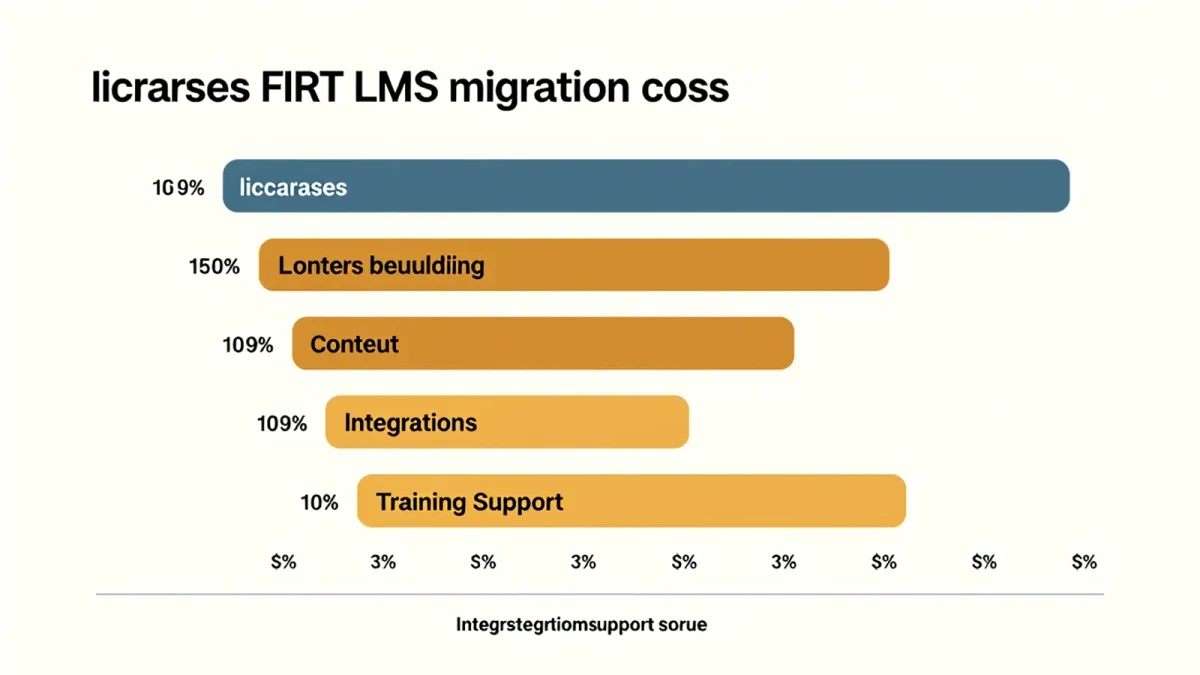
LMS migration costs three to five times the license fee once training, content rebuilding, and integration work are counted.

Teachers report real time savings from AI planning tools, but independent studies find the gains are smaller than vendor claims and depend on editing discipline.