
Experts
School librarians are fighting to stay relevant
The job now spans media centers, makerspaces, and information literacy — and the numbers say the field is holding steady, not disappearing.
By Zara Nasser • October 8, 2026
EdTech News reports what ships and what breaks: product launches, district and national contracts, service outages, privacy incidents and discontinued platforms. Items are dated and sourced to filings or company statements. Read by school technology leads and teachers who need warning before a tool disappears mid-term.
The job now spans media centers, makerspaces, and information literacy — and the numbers say the field is holding steady, not disappearing.
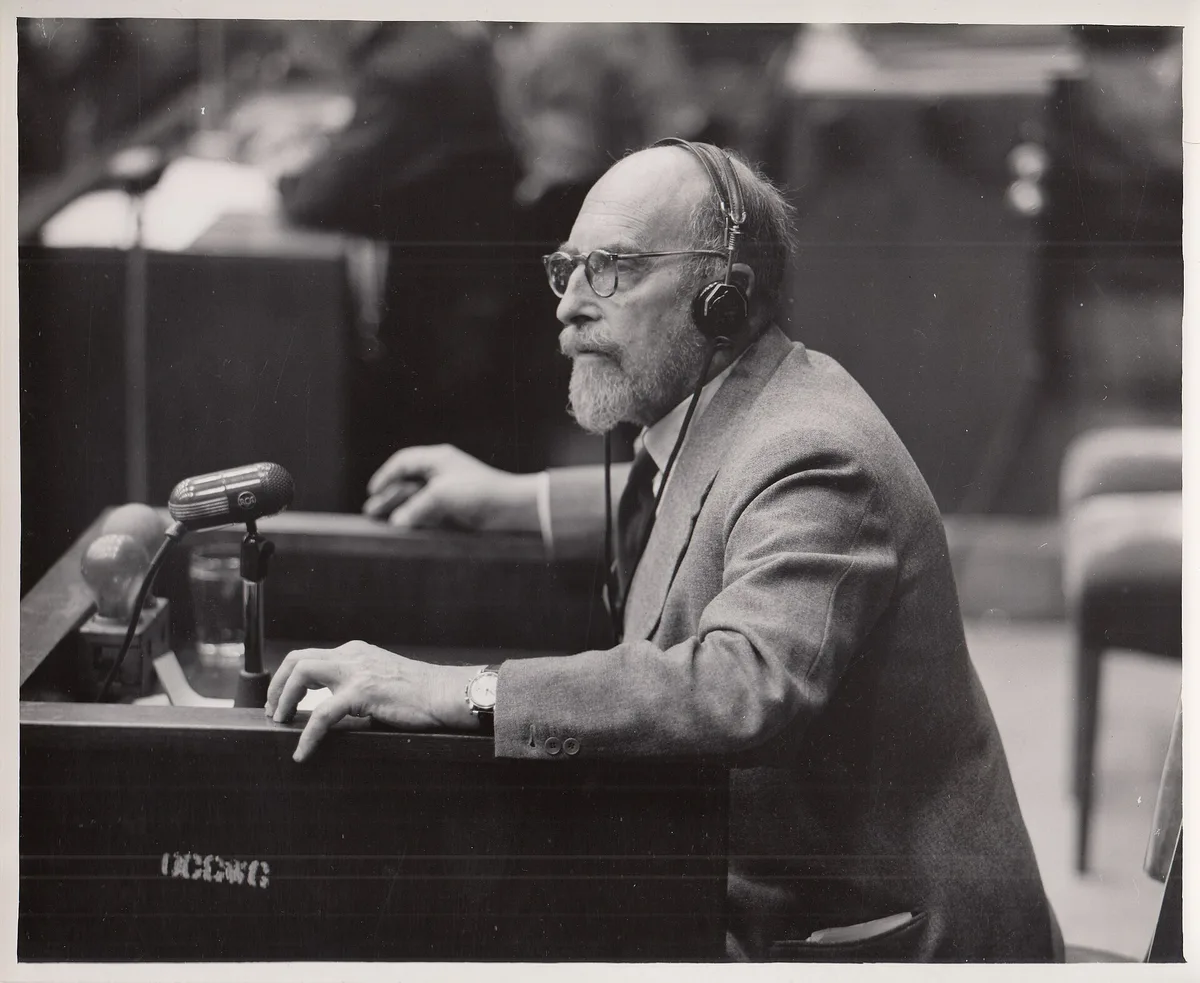
How courts decide who counts as an expert, and why two specialists can swear to opposite things.

A plain checklist for telling credentialed specialists from confident amateurs before you act on their advice.

Conflicting specialist opinions are normal. A few checks separate the claims worth acting on from the noise.

The online-program manager emerged from Chapter 11 in late 2024 with debt cut and owners changed; the university partnerships that made it big keep expiring.

The law doesn't ban vendor access to school records. It makes the district the gatekeeper — and most of what happens next depends on a contract clause few people read.
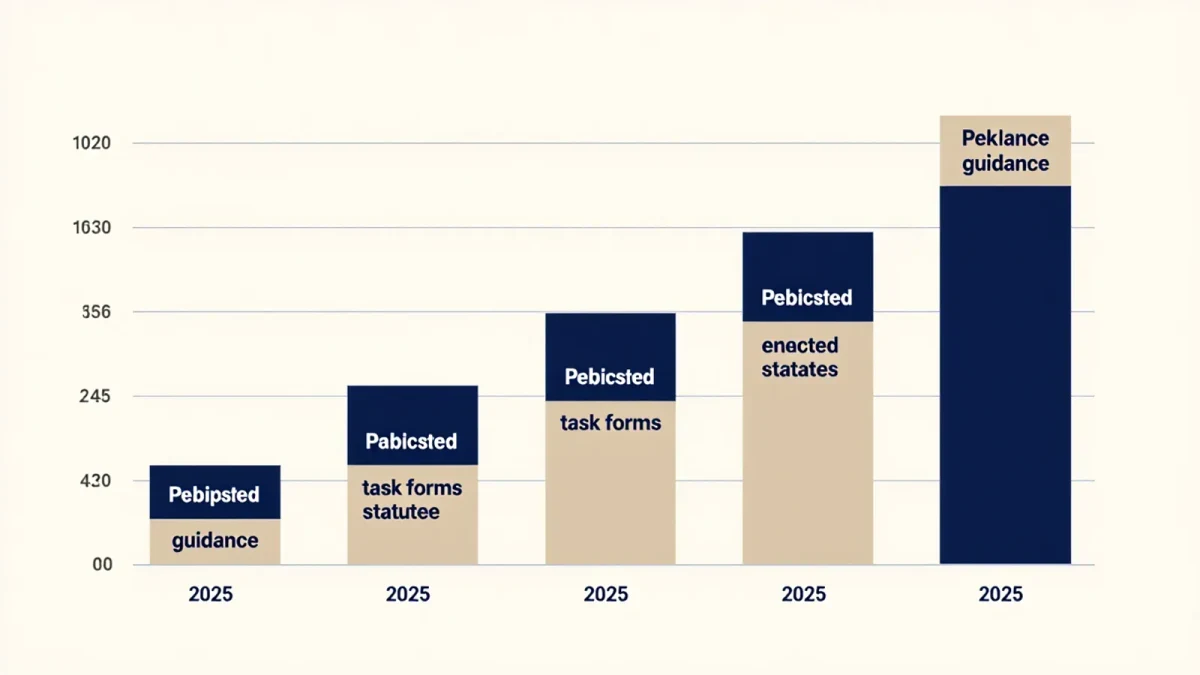
Every state introduced AI legislation in 2025, but in education most of the binding work is still guidance and task forces — and disclosure expectations are being written into district policy templates first.

The same take-home Chromebook that satisfies CIPA on school Wi-Fi carries a moving mix of law, policy, and family expectation into the living room.

The pricing change is the visible event; the quiet ones are the data terms, the feature walls, and the teacher who quietly rebuilds their course in something else.

Cyberinsurance questionnaires have quietly become the real technology plan for many districts — setting MFA, backup, and staffing priorities the board never voted on.