A day in the life of a teacher is not the six or seven hours of scheduled classes. It is a longer shift that begins with preparation before students arrive and ends with grading, planning, or parent emails after they leave. The classroom hours are the visible slice; the rest is the part that never appears on a bell schedule.
That gap between the timetable and the real workload is the point of this hour-by-hour walkthrough. The duties come straight from what the job actually requires: lesson planning, instruction, assessment, classroom management, parent communication, and collaboration with colleagues. CareerExplorer lists all of these among a teacher's core responsibilities, and each one claims its own slice of the day.
For a wider view of how these demands stretch across a school year rather than a single day, see A Year Inside One Classroom: What a Teacher's Year Really Holds. A day is a snapshot; a year is where the pattern shows. This connects to our earlier piece, A Year Inside One Classroom: What a Teacher's Year Really Holds.
What happens before students arrive?
Most teachers arrive well before the first bell. The morning block is for the work that falls apart if it is left until the last minute: printing or setting up materials, reviewing the day's lesson plans, writing the agenda on the board, and checking messages from parents or administrators that arrived overnight.
Preparation is a formal part of the job, not a bonus. Teachers are expected to prepare lessons according to an agreed curriculum, deliver them, and assess progress, as the entry on Wikipedia notes in its summary of formal teaching tasks. The quiet thirty minutes before students arrive are often the only uninterrupted planning time a teacher gets all day.
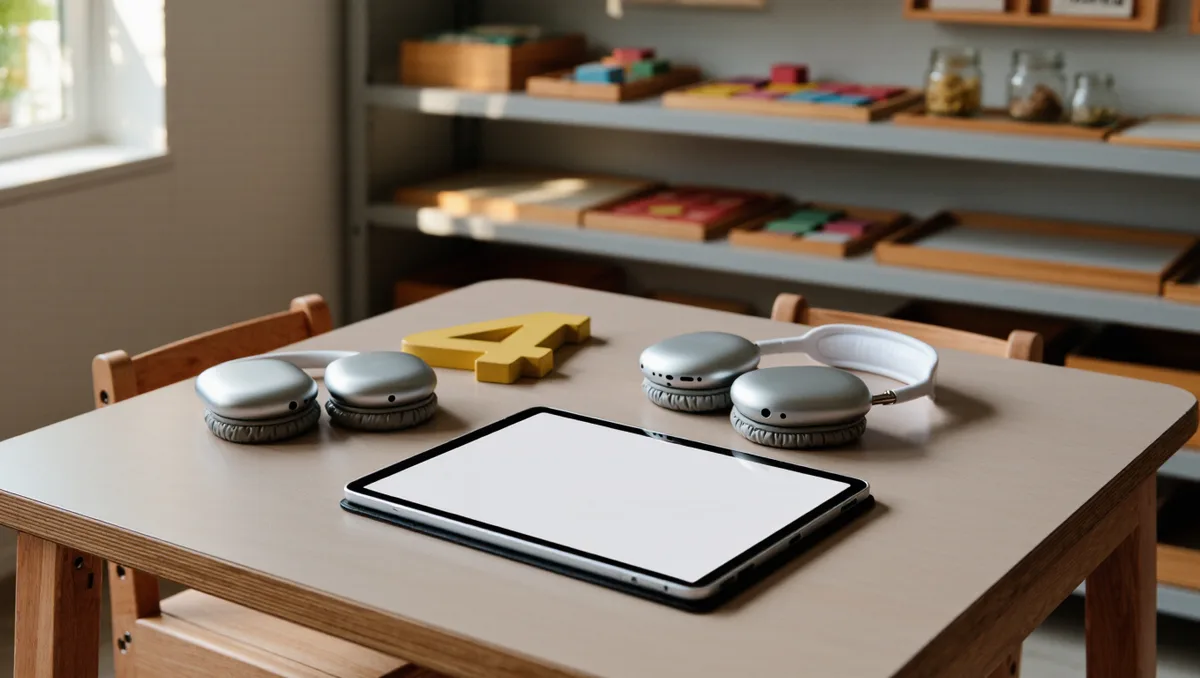
There is also the room itself. Desks to arrange, supplies to restock, a projector or laptop to wake up and hope it cooperates. None of it is teaching. All of it has to happen before teaching can.
What does the teaching day actually look like?
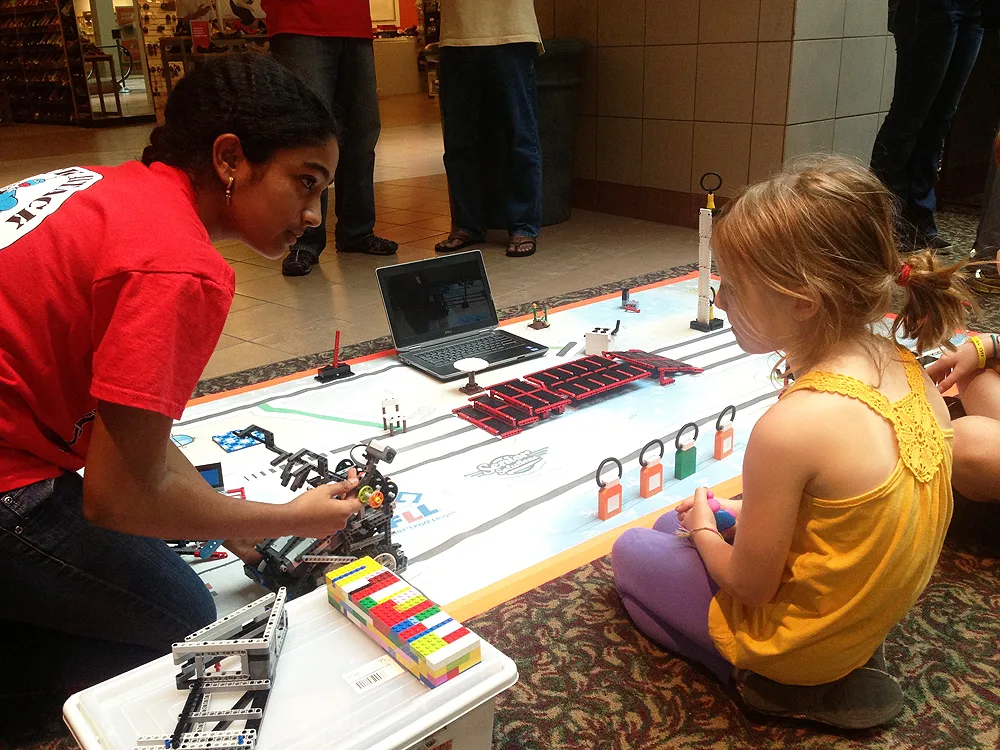
The instructional block is the part everyone pictures, and it is the most demanding stretch. A typical schedule runs four to six class periods, each with its own group of students, its own energy level, and its own small crises. Between classes there are a few minutes to reset: collect materials, glance at notes, and brace for the next group.
During class, a teacher is doing several jobs at once. Delivering the lesson is only one of them. The rest is reading the room, adjusting pace when a concept lands badly, redirecting off-task behavior, and keeping the environment safe and orderly. Classroom management and differentiated instruction, meaning adapting the same lesson for students with very different needs, are standing duties listed by CareerExplorer, not occasional extras.
Some periods include a scheduled prep or planning period. In practice, that time is contested. Meetings, coverages for absent colleagues, and a line of students with questions all compete for it. A planning period that survives intact is a small daily victory.
Where do lunch and duty periods go?
Lunch is rarely just lunch. Supervising a cafeteria or hallway is a common rotation, and many teachers spend part of the break helping students with makeup work or writing a quick note home. The meal itself, when it happens, is short and often eaten at a desk.
Outside the classroom, the Wikipedia entry lists duties that extend well past instruction: supervising study halls, accompanying field trips, helping organize school functions, and running extracurricular activities. None of these show up as "teaching" on a schedule, and all of them show up in a teacher's day.
What happens after the final bell?
The afternoon is where the hours vanish. Dismissal is followed by a second shift of quieter work: grading quizzes and essays, entering scores, answering parent emails, and planning tomorrow's lessons while today's is still fresh in mind.
Assessment is a load-bearing duty. Teachers design quizzes, tests, projects, and presentations, then analyze the results to decide what to reteach, according to CareerExplorer's breakdown of teacher responsibilities. Every graded stack is also a decision stack: who needs help, who needs a challenge, who needs a phone call home.
Then there is collaboration. Department meetings, special education coordination, and professional development sessions sit on top of the instructional day. CareerExplorer names ongoing professional development and work with counselors and support staff as standard parts of the role. These commitments are why a teacher's contracted end time and actual leaving time are usually two different numbers.
What this means for anyone considering teaching
Our analysis of the hour-by-hour shape is simple: the visible hours understate the job, and the invisible hours are where burnout begins. Someone considering the careers side of education should count the whole day, not the class schedule. The competencies the job demands are broad by design. Wikipedia's summary of scholarly work groups them into knowledge, craft skills, and dispositions, meaning subject expertise, practical teaching skill, and the temperament to keep doing both under pressure.
One more thing worth knowing before you decide. Enthusiasm matters in this job, and research on teacher enthusiasm has found correlations with student motivation and engagement, as Wikipedia's overview of the evidence notes. But the same overview is honest about the limit: enthusiasm improves motivation, and does not automatically improve learning outcomes or memory for the material. Teaching well is a craft, not a mood. For related coverage, see What 'evidence-based' actually means when an edtech vendor says it.
The practical takeaway for anyone shadowing the profession from the outside: judge a teacher's day by the full arc, from the pre-dawn prep to the evening grading pile. That is the real job description.
The honest gaps in this picture
This walkthrough describes the general shape of the work, drawn from published summaries of teacher duties. It does not capture variation between grade levels, subjects, districts, or countries, and it does not quantify how long any block lasts, because the sources here describe duties rather than measured hours. Anyone who needs precise workload numbers should look for time-use studies specific to their own system, and check the evidence behind them the way you would check any claim.