Subject file
Experts
EdTech News reports what ships and what breaks: product launches, district and national contracts, service outages, privacy incidents and discontinued platforms. Items are dated and sourced to filings or company statements. Read by school technology leads and teachers who need warning before a tool disappears mid-term.
Experts
New state requirements that took effect in 2025 — led by Ohio's October 24 compliance date — are turning app vetting from a best practice into a legal deadline.
By Kara Williams • May 2, 2026
Experts
Privacy evaluations catch bad policies and missing encryption, but they cannot see what a vendor's servers actually do — and districts keep expecting them to.
By Zara Nasser • April 9, 2026
Experts
LTI and One Roster are the plumbing that decides whether a new app works on day one or eats a semester of technician time.
By Zara Nasser • March 17, 2026
Experts
Early district reports on AI tutoring tools show real engagement gains, uneven learning effects, and a support burden vendors rarely quote.
By Zara Nasser • February 23, 2026
Experts
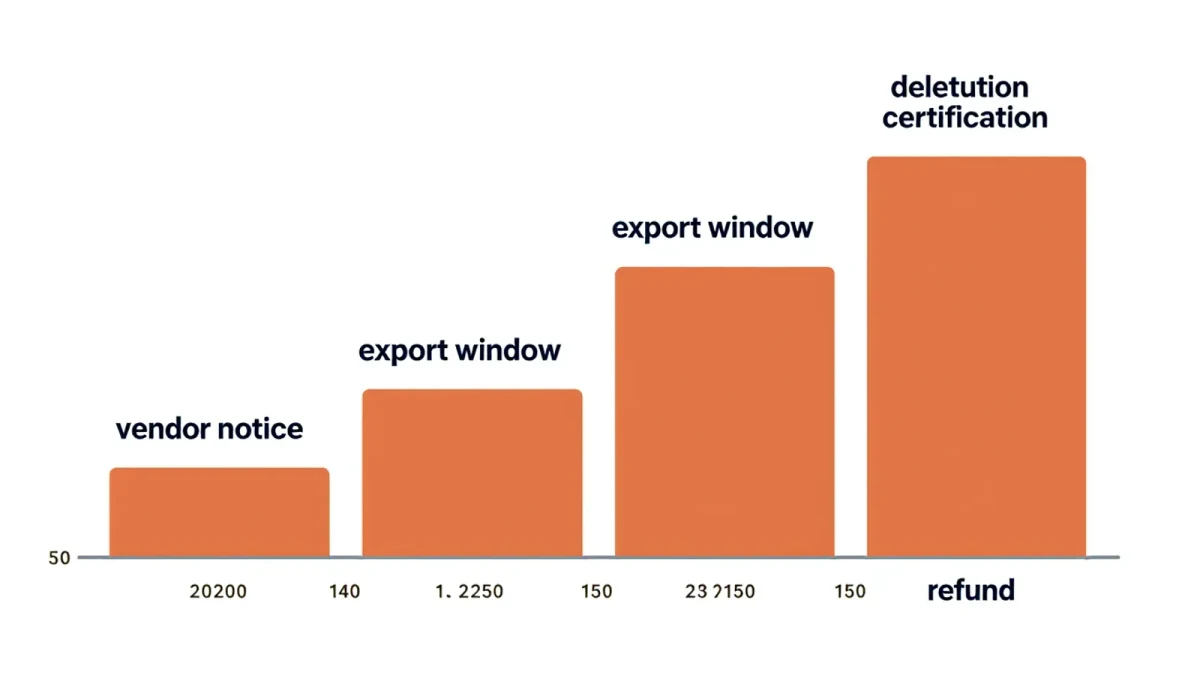
Microsoft retired Flip on July 1, 2025, and the districts that recovered fastest were the ones with export, transition, and refund clauses already in the file.
By Zara Nasser • January 31, 2026
Experts
State breach-notification statutes, not federal privacy law, drive most of what a district must do in the first 72 hours after student data is exposed.
By Kara Williams • January 8, 2026