Does a classroom audio system help someone learn? For early grades, the evidence is unusually good for an education technology. Sound-field amplification — a teacher microphone and ceiling- or wall-mounted speakers lifting the teacher's voice about 10–15 decibels above room noise — has been tested in actual trials, including a large randomized study of Chicago public school classrooms published in 2023 in Journal of Educational Psychology. Chicago's Amplify program RCT found that microphones in pre-K classrooms measurably improved children's language development, with effects concentrated among children with below-median baseline skills. For older grades the evidence thins, but listening-in-noise benefits for students with hearing loss are not controversial: they are the basis of federal accessibility obligations.
What is a classroom audio system, exactly?
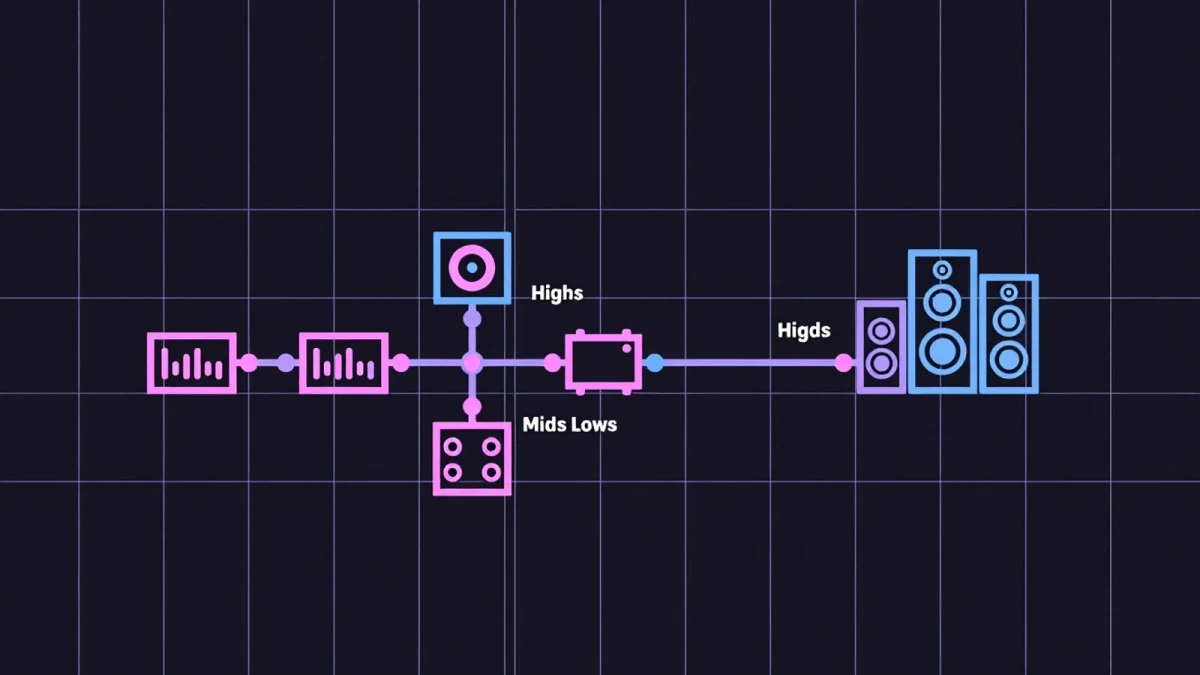
The common design is a sound-field system: the teacher wears a pendant or lapel microphone; speakers distribute the voice evenly across the room, replacing the teacher's need to project over HVAC noise, hallway noise, and distance. Many systems add a pass-around student microphone for discussions and hearing-aid integration through FM/DM receivers that transmit directly to a hearing-impaired student's devices. Classroom acoustics research — ANSI standard S12.60 on classroom acoustics is the reference document — recommends background noise low enough and reverberation short enough that a teacher's voice is clearly intelligible at the back row. Where the building cannot meet the standard, amplification is the practical retrofit; the standard itself should drive any renovation or new construction.
What does the research support, and where does it stop?
The Chicago pre-K RCT is the strongest single study: language gains for amplified classrooms, largest for children starting behind. Older quasi-experimental work from the 2000s reported better attention, fewer teacher voice problems, and modest score gains, though much of that literature is older, smaller, and sometimes vendor-adjacent — a distinction committees should keep in view. For grades beyond early elementary, the case rests less on achievement evidence and more on access: children with fluctuating hearing from ear infections, students learning English, and rooms with poor acoustics all benefit from better signal-to-noise ratios in audiology literature. The company line that every classroom needs audio is ahead of the achievement evidence; the audiology and accessibility case in specific rooms is solid.
Rooms argue for themselves if you listen. Classrooms near gymnasiums, cafeterias, or busy streets; rooms with high ceilings and hard surfaces; and portable classrooms with loud HVAC units are the buildings' worst listening environments, and they are exactly where teachers report repeating instructions most often. A two-week informal tally — how many times per day the teacher repeats a direction — is a cheap needs assessment any school can run before spending a dollar, and it usually identifies the rooms that need help first.
Who is legally entitled to this equipment?
For an individual student with a hearing loss, the answer is clearer than many departments realize. A student with an IEP or a 504 plan can have sound-field or FM/DM systems specified as assistive technology — the IEP team must consider assistive technology under IDEA, and hearing access is its most established use. ADA Title II effective-commodation obligations extend to students without IEPs as well. This means a single identified student can make a classroom audio system a compliance requirement rather than a discretionary purchase, and smart districts install portable systems they can move as students transition. The special education budget, not only the technology budget, is a legitimate funding path.
What does it cost, and what fails early?
Classroom sound-field systems list roughly $1,000–$2,500 per room installed as of 2025, with higher figures for integrated DM hearing-aid systems. The recurring costs are batteries and, historically, teacher adoption. The documented failure mode is cultural, not technical: systems sit unused when teachers find the microphone awkward, forget to charge it, or dislike their amplified voice. Districts with successful deployments report the same fixes — teacher choice in wearing style, charging stations mounted where the teacher actually stands, and brief coaching during the first month. Battery logistics matter; a dead microphone on a Monday silently converts a funded system into shelf equipment.
| Option | Typical cost per room (2025) | Best fit |
|---|---|---|
| Portable sound-field speaker tower | $800–$1,500 | Rentals, shared buildings, quick pilots |
| Installed ceiling-speaker system | $1,500–$2,500 | Permanent early-elementary classrooms |
| Integrated FM/DM with hearing-aid coupling | $2,000–$4,000+ | Rooms serving students with documented hearing loss |
| Acoustic treatment (renovation) | Varies widely | New construction — address noise at the source per ANSI S12.60 |
How should a district phase a purchase?
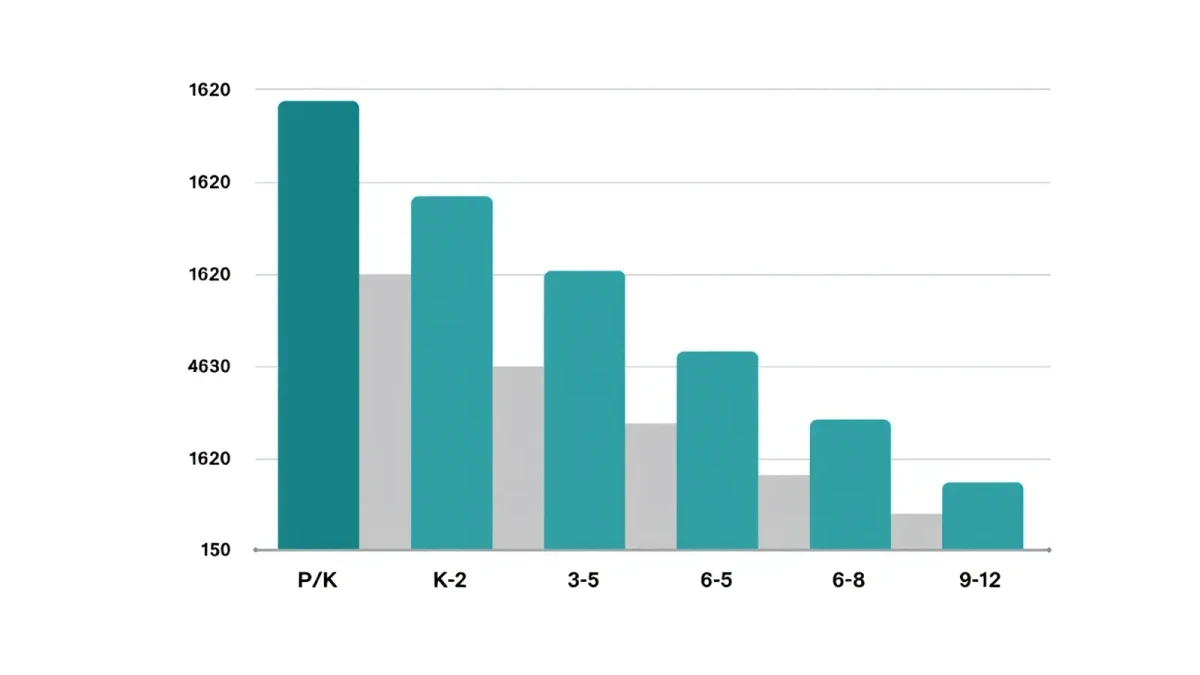
Start where the evidence and the law point: rooms with students who have hearing accommodations first, then pre-K and kindergarten classrooms, then first and second grades. Skip middle and high school unless a specific accommodation or an unusually noisy building argues otherwise. Write purchase specs to require pass-around student microphones, hearing-aid compatibility, and a battery and replacement-parts plan. And measure after installation: a quick survey of teacher voice strain and a walkthrough verifying the system is on and worn tells a district more than any vendor report. The spend is modest, the strongest evidence is in the youngest grades, and the students with the clearest legal claim should never be waiting behind a general rollout.
Teacher health is a legitimate secondary benefit that committees often overlook. Voice disorders are consistently documented as an occupational risk among teachers, with audiology and occupational-health literature reporting teachers at elevated risk of vocal strain relative to other professions, and amplification is a standard clinical mitigation. A system purchased for learning reasons that also reduces the voice fatigue driving sick days and end-of-week hoarseness is returning value beyond the measured effect size. Districts that frame the purchase this way sometimes find workers' compensation or employee-wellness budget lines willing to share the cost — an unusual but real funding path that costs nothing to ask about.