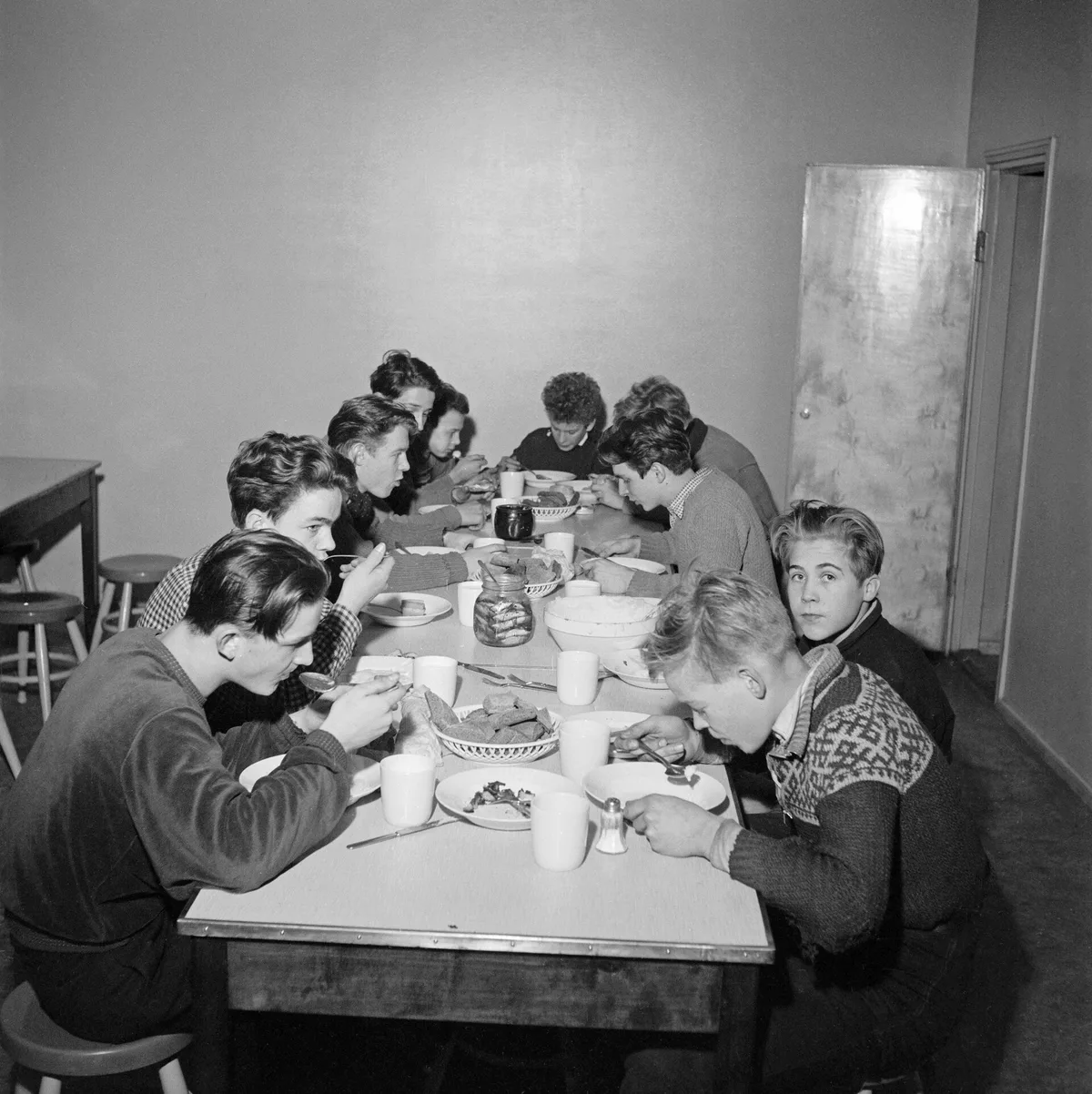
The school cafeteria runs on rules nobody wrote down. Seating is territory, food is currency, and the queue has laws of its own. New teachers learn this within a month. Parents mostly never see it.
Lunch deserves more attention than the schedule gives it. School meals are among the world's largest social safety nets (Wikipedia), and how the lunchroom feels shapes how the whole day feels. Here is how the unspoken system works, and where adults can steady it instead of shaking it.
Seating is territory
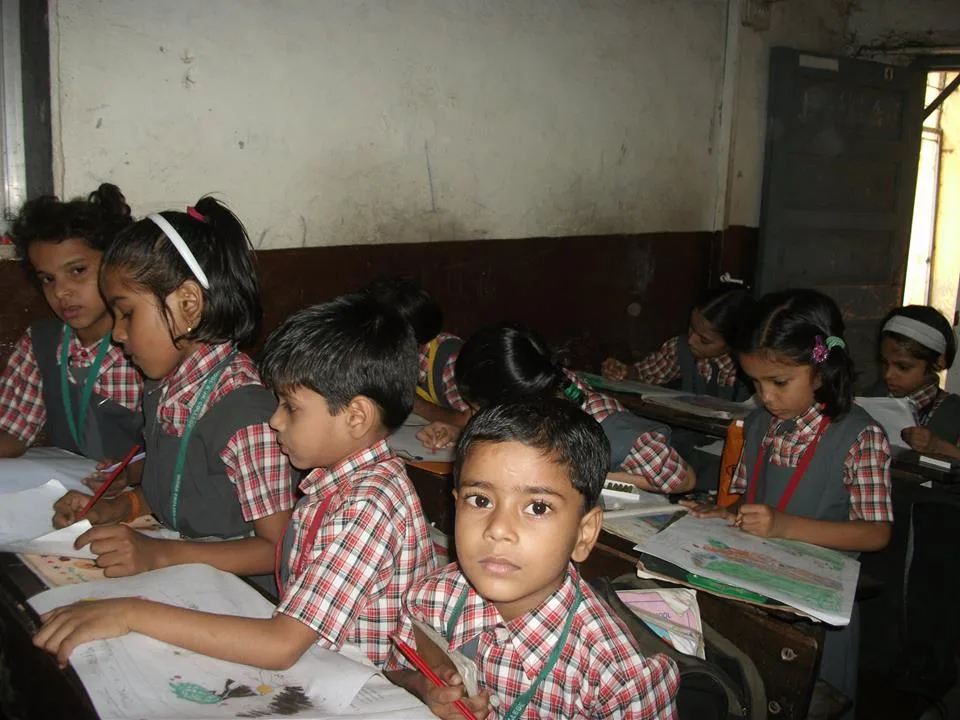
The first rule: a seat is never just a seat. Tables sort themselves by grade, interest, and status within weeks of the first day. A regular place means acceptance, and moving someone's spot reads as an invasion. The map redraws itself each year. A child who eats alone in October may not eat alone in March, which is one more reason not to treat a lonely table as permanent. Adults should think twice before using seat reassignment as punishment. Cutting a child off from the one table that tolerates them is not discipline. It is exile, and children read it exactly that way. Readers following this should also see What culture means, and why no one can define it in one line.
Food is a small economy
Trading, sharing, and borrowing run on quiet reciprocity. A student who never shares loses standing. One who shares too eagerly gets used. The scale behind all this is enormous: an estimated 380 million school children around the world receive meals or snacks at their schools, according to a global estimate (Wikipedia). Every one of those lunches carries a small social load, and the trading economy is how children practice fairness when no adult is keeping score. Bans rarely work. They just push the market out of sight. Setting the edges, no pressure and no taking back a borrowed item in worse shape, works better.
Who pays carries weight
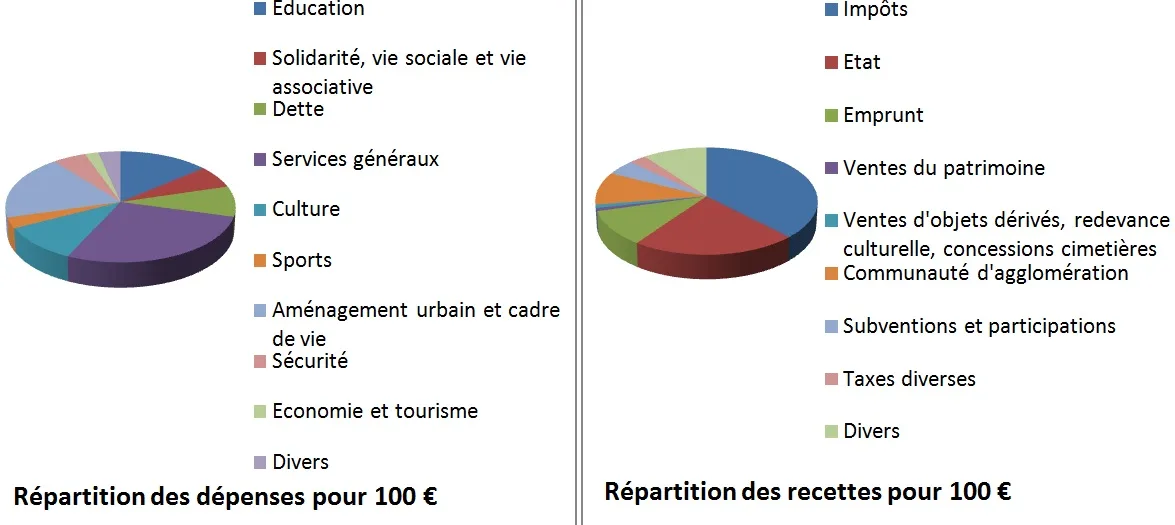
Money marks status in the lunchroom whether schools like it or not. Free and reduced-price tiers exist across many countries; lower-cost meals are offered in places such as France, Italy, Hong Kong, Japan, Portugal, and the United States, per country program summaries (Wikipedia). The unspoken rule students care about: nobody should be able to tell who pays what. A loud balance at the register breaks that rule in front of a hundred peers. Schools that keep the tiers discreet are not hiding anything. They are protecting the room.
The stakes go beyond comfort. A 2018 study of a free school meal program in the United States found better school discipline among students in areas with high food insecurity (Wikipedia). Lunch is not a break from learning. It supports it.
The queue, the clock, and the adults in the room
Time pressure shapes everything else. Students budget minutes between the end of the line and the bell, and every added minute in the queue comes out of friendship time. This is why line cuts provoke such fury. Noise is part of the deal, up to a point. A cafeteria that runs silent usually runs scared. The goal is a hum, not a roar. Supervising staff hold real power here. A calm, predictable line and honest portions remove most flashpoints. What children ask of adults at lunch is the same as in class: consistency. This connects to our earlier piece, Phone bans in schools: what the first-year data shows.
Conclusion: Read the room before you rearrange it
School lunch culture is not a sideshow. It is where status, friendship, and fairness get rehearsed every day, with almost no written rules to lean on. Adults cannot opt out of the system. They can only choose to steady it or shake it. Keep the payment tiers quiet, leave seating choices with students where you can, and protect the clock. The rest of the culture will run itself, mostly.