Subject file
Culture: Arts, Media and Society
Culture reports the human climate of schools: behavior patterns, staff morale, phone policies, parental expectations, and the routines and rituals keeping a building functioning. Reporting draws on teachers and students describing their own weeks. For anyone wanting education described as lived rather than as legislated.
Culture
Whether to accept late work, with what penalty or none, has become the sharpest culture war inside American faculty rooms, and both sides argue from fairness.
By Marta Kowalczyk • June 25, 2026
Culture
Teacher TikTok turned classroom moments into content, and districts are still writing the rules faster than anyone can enforce them.
By Kara Williams • June 3, 2026
Culture
All-school assemblies are quietly vanishing from calendars, squeezed by instructional minutes, testing windows and behavior risk, and few districts notice what they lose.
By Kara Williams • May 11, 2026
Culture
Chronic absenteeism has fallen from its pandemic peak of roughly 31 percent but remains far above 2019 levels, and the habit now looks structural rather than temporary.
By Kara Williams • April 18, 2026
Culture
School messaging apps have made parents reachable in seconds and teachers reachable at 9:40 p.m., and almost nothing in policy governs the second half of that bargain.
By Kara Williams • March 26, 2026
Culture
More than 2,100 public schools now run on a four-day schedule, almost all in rural districts, and the reason is less ideology than hiring.
By Kara Williams • March 4, 2026
Culture
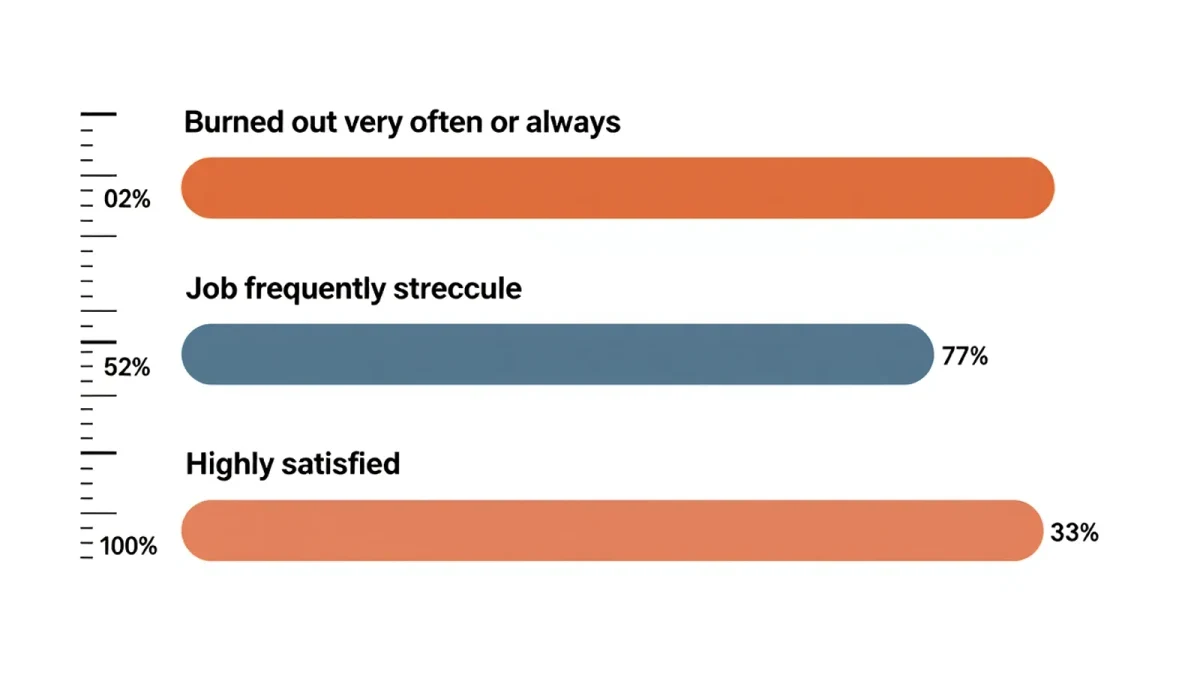
Every year brings a new round of grim teacher-morale numbers, but the surveys behind the headlines measure different things and rarely measure morale at all.
By Marta Kowalczyk • February 9, 2026
Culture
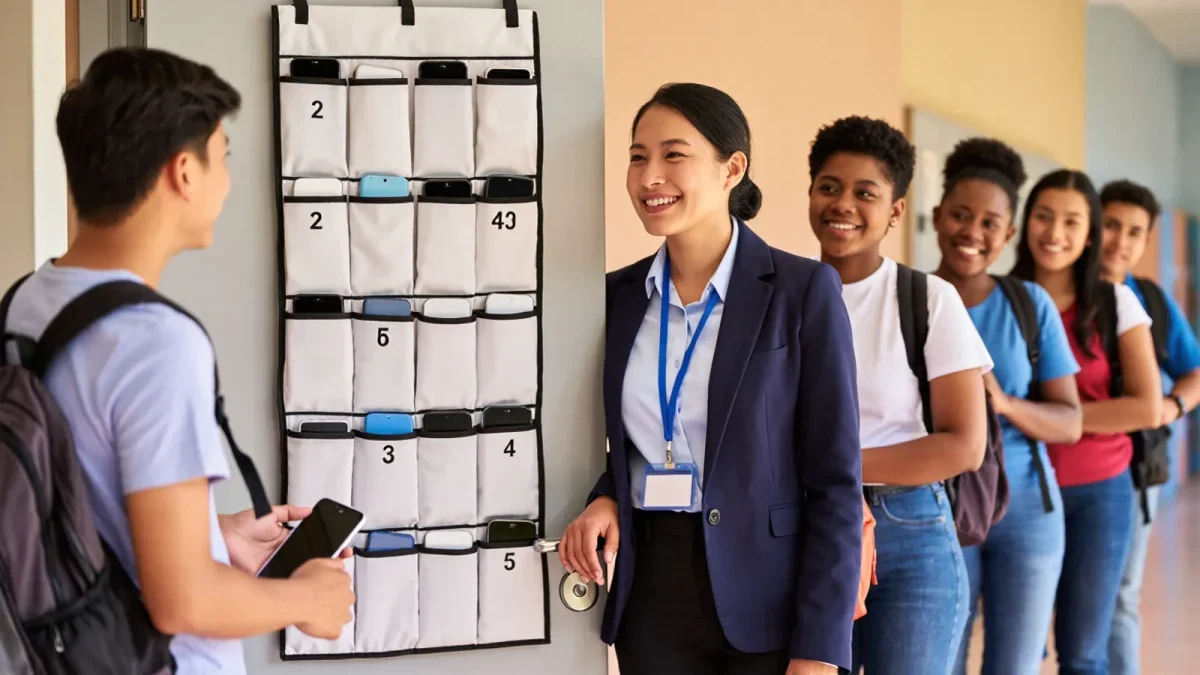
After two school years of statewide bell-to-bell phone bans, the early evidence points to calmer hallways, contested enforcement and no academic miracle.
By Marta Kowalczyk • January 17, 2026